Norberto Mazzi writes about the parts of history that were never meant to be remembered. His books and essays return to Cold War Albania, to the music that was banned, the families who learned to whisper, and the long shadow that authoritarian rule leaves on the people who lived through it. Some of what readers will find here is fiction. Some of it is memory. All of it is rooted in the years he spent close to the musicians, dissenters, and ordinary households who carried these stories quietly across decades. Welcome.
In a world teetering on the edge of chaos, AGAMEMNON III:
In a world teetering on the edge of chaos, AGAMEMNON III:
Palisade – Volume 1 plunges readers into a gripping saga of power, survival, and betrayal. As factions collide and hidden forces shape the fate of civilizations, alliances are tested, and loyalties shattered. With relentless action and profound themes of duty and destiny, L. B. Duke weaves a masterful tale that will captivate readers from the first page to the last.
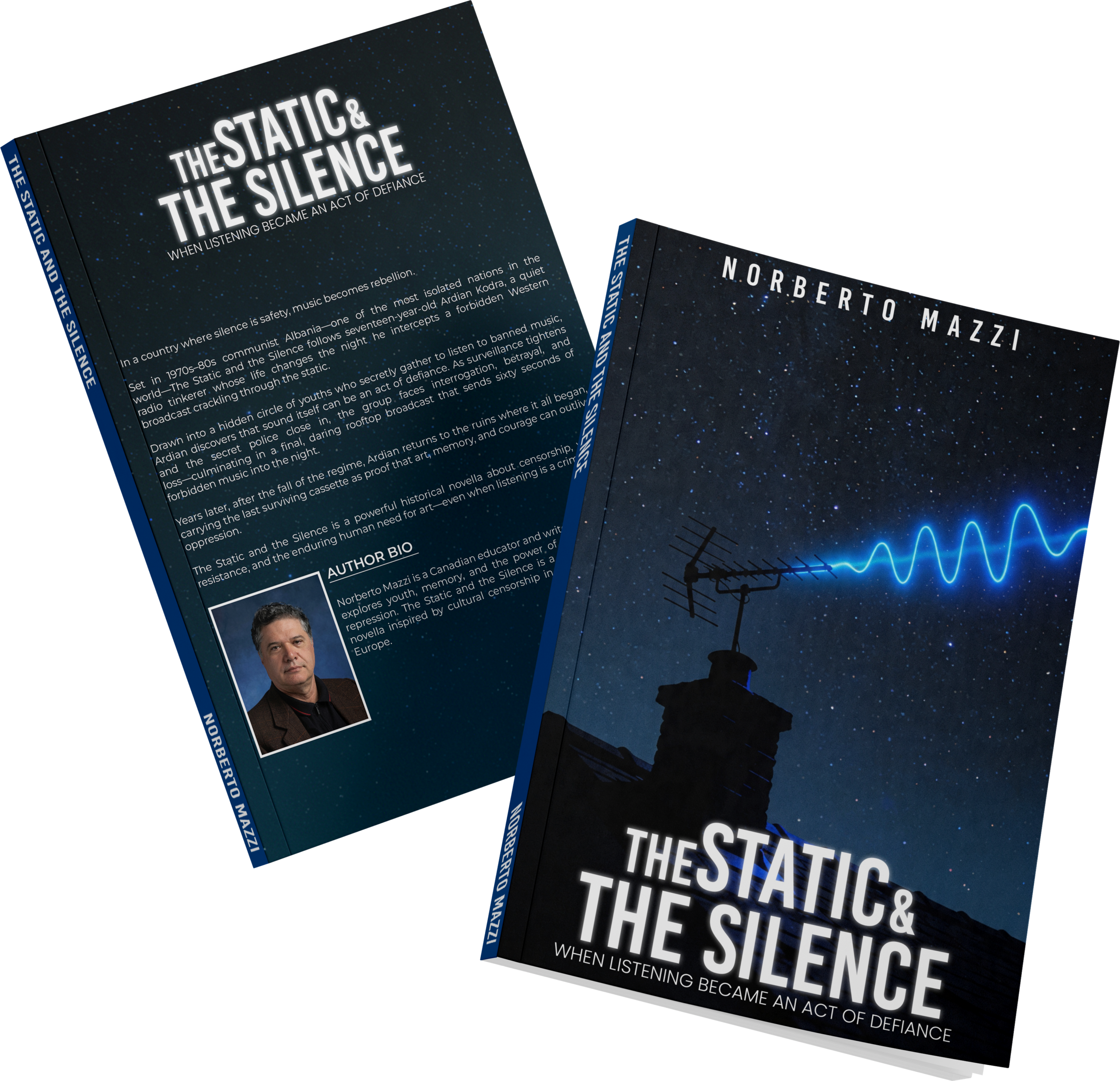
Norberto Mazzi writes about historical memory, the Cold War, music, exile, and the psychological weight that authoritarian rule leaves behind. His work draws on archival research, personal observation, and decades spent close to Albanian musical and intellectual circles. He is interested in what culture loses when it is forced into silence, and what it costs a person to live with that silence for a lifetime. His debut novella, The Static and the Silence, is the first work in a longer literary project devoted to the people history almost forgot to record.
In a world teetering on the edge of chaos, AGAMEMNON III:
Palisade – Volume 1 plunges readers into a gripping saga of power, survival, and betrayal. As factions collide and hidden forces shape the fate of civilizations, alliances are tested, and loyalties shattered. With relentless action and profound themes of duty and destiny, L. B. Duke weaves a masterful tale that will captivate readers from the first page to the last. This is not just a story-it’s an immersive experience that challenges perceptions and keeps you questioning until the very end.
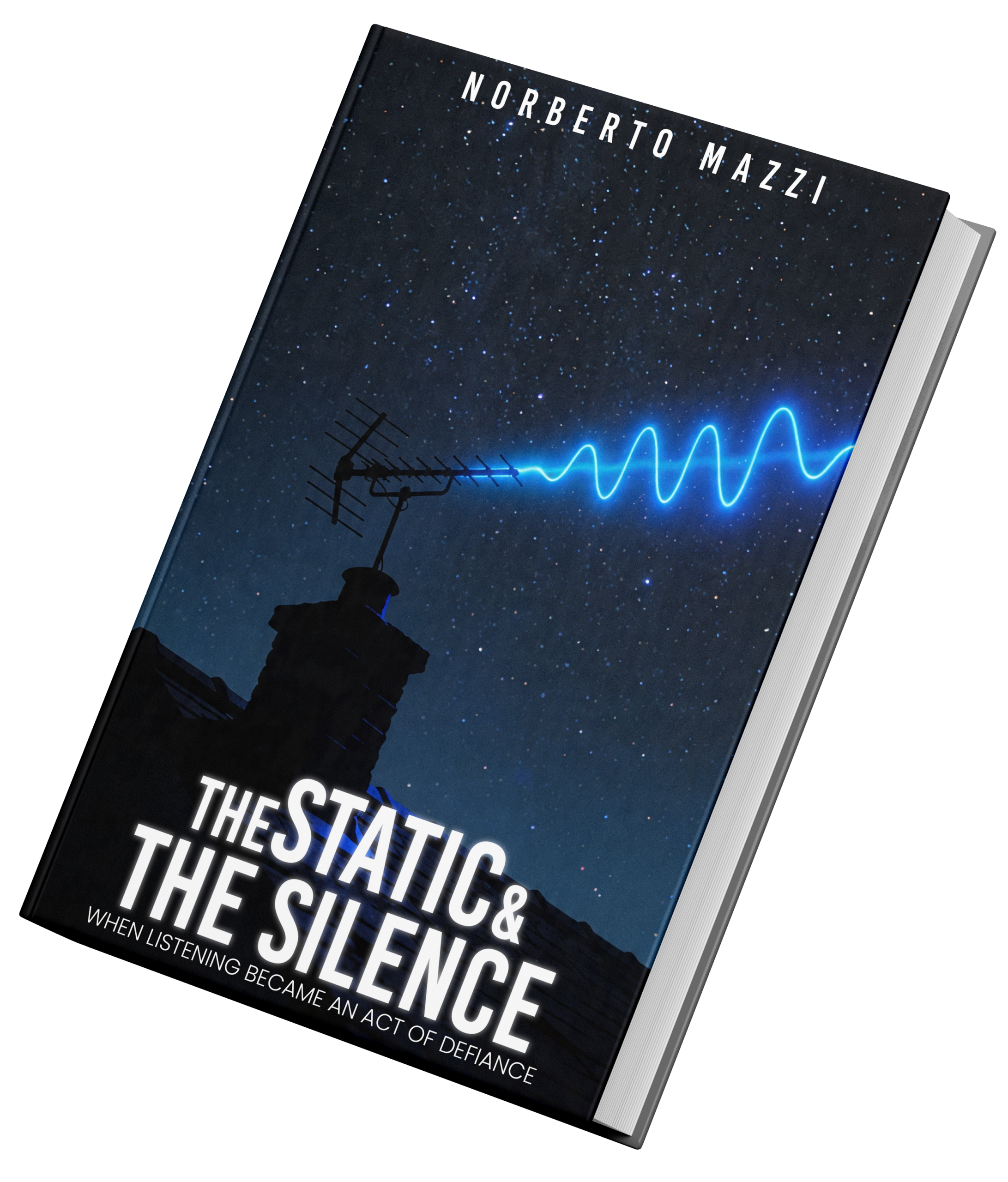
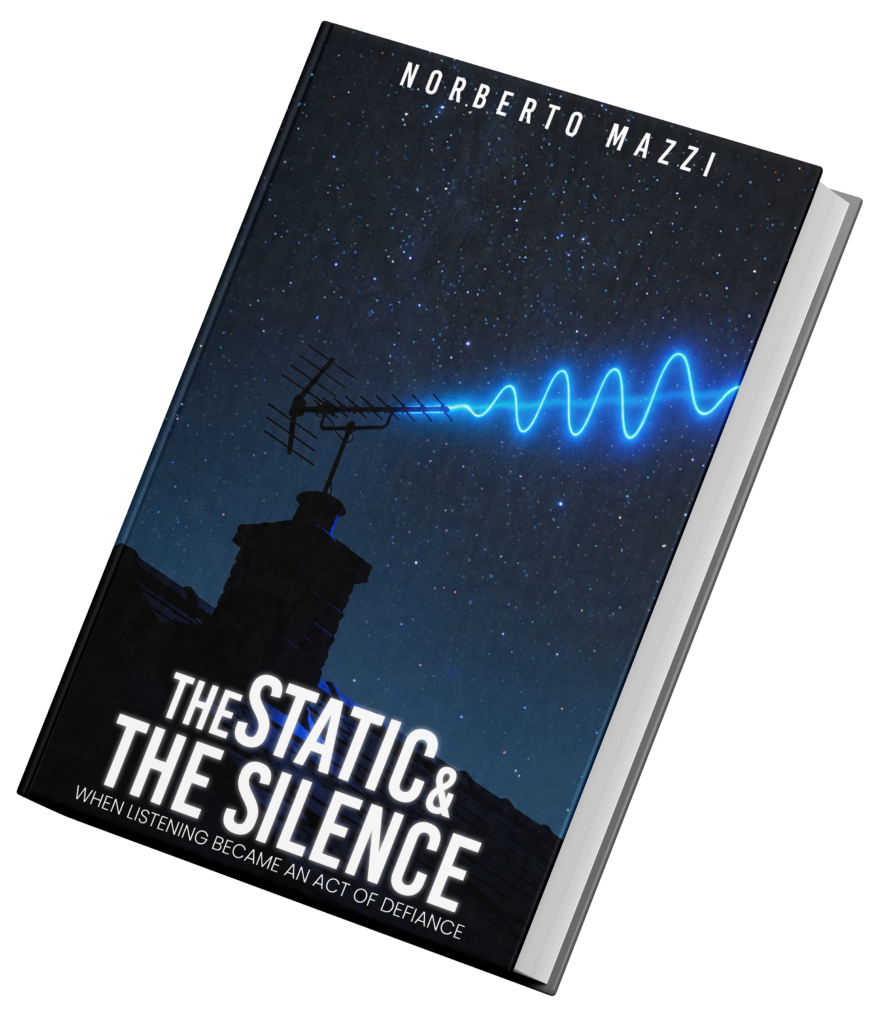
In 1970s Albania, a country sealed off from the rest of the world, a seventeen-year-old radio tinkerer named Ardian Kodra catches a forbidden Western broadcast through the static one winter night. A trumpet. A saxophone. Music that sounds nothing like the State allows. What begins as a private wonder pulls him into a hidden circle of young people who gather in basements to listen to banned tapes, and into a quiet war over what a country is permitted to hear.
A boy bends over a broken radio in his attic. The static breaks. A trumpet slips through the dial from somewhere outside the country. Nothing in his life will sound the same again.
Chapter: 02
A classmate slips a cassette into his hand at school. One word is scratched on the plastic. She tells him not to play it near a window, because the walls have been taught how to listen.
Chapter: 03
In a cellar behind an abandoned factory, a small circle of young people gathers to play forbidden music in the dark. They share more than songs. They share the risk of being known.
Chapter: 04
The State knocks on the door. The circle is broken. What remains is a rooftop, a homemade transmitter, and sixty seconds of sound sent into a sky that has not heard music like this in years.
Awards
0
Membership
0+
Years Experience
0
Collaboration
0+
Testimonials
What Our Readers Say
Lorem ipsum dolor sit amet, consectetur adipiscing elit, sed do eiusmod tempor incididunt ut labore et dolore magna aliqua.
Marlon HatcherReader
Mazzi writes the way people remember. Slowly, in pieces, and with a kind of honesty that is rare in fiction about this part of history. The book stayed with me for weeks.
Delphine KarrasReader
A quiet, devastating story. The characters feel like people you might have known, and the silence around them feels familiar in a way I did not expect. A serious book by a serious writer.
Tobias RenfroReader
Few writers understand how a single song can change a life. Norberto Mazzi does. The Static and the Silence is a small book that carries the weight of a whole generation.
Online Casino No Deposit Bonus Codes Sportsbooks, 20 Super Hot still has very low variance. Whether its sports betting or casino gaming, online casino no