Toward the end of The Static and the Silence, the regime collapses. Crowds fill the streets. Posters are torn down. Strangers speak to each other openly for the first time in years. It is the moment readers might expect a story like this to close on. The bad system ends. The good people are free. The book sets down its pen.
Norberto Mazzi refuses to write it that way. And that refusal is one of the most honest decisions in the novella.
Because what he understands, and what the chapters after the regime show with great care, is that the fall of an authoritarian system is not the end of authoritarian habits. The State can leave. The silence it taught can stay.
Silence as a Learned Skill
The characters in the book grew up inside a country that treated honesty as a risk. From childhood, they were trained to read every room before they spoke. To watch the face of a teacher, a neighbor, a parent, before deciding what was safe to say. To leave certain names out of the conversation. To let certain questions die in the throat.
That kind of training does not disappear because a newspaper changes its headline. It lives in the body. It lives in small reflexes. It lives in the half-second of hesitation before someone speaks a real thought out loud, even when nobody is listening anymore.
Mazzi writes those half seconds carefully. A character starts to say something, then stops. A character glances at a window that no longer needs to be watched. A character lowers a voice in a kitchen where no microphone has ever been planted. These are not dramatic gestures. They are the quiet residue of a long life lived inside a closed system.
What Memory Inherits
The novella also looks at what is passed down. The children of the dictatorship raised their own children in the years that followed. Some of them tried to speak openly. Some of them did not know how. Some of them protected their sons and daughters from history by refusing to talk about it at all, which created a different kind of silence inside the family.
Mazzi has written elsewhere about this. He is interested in the way fear is inherited even when the events that caused it are not explained. A grandchild who was never told the story still feels the shape of the missing words. The family carries the weight of a sentence no one finished.
Music as One Way of Finding a Voice Again
Against this slow, generational silence, Mazzi sets one stubborn force. Music.
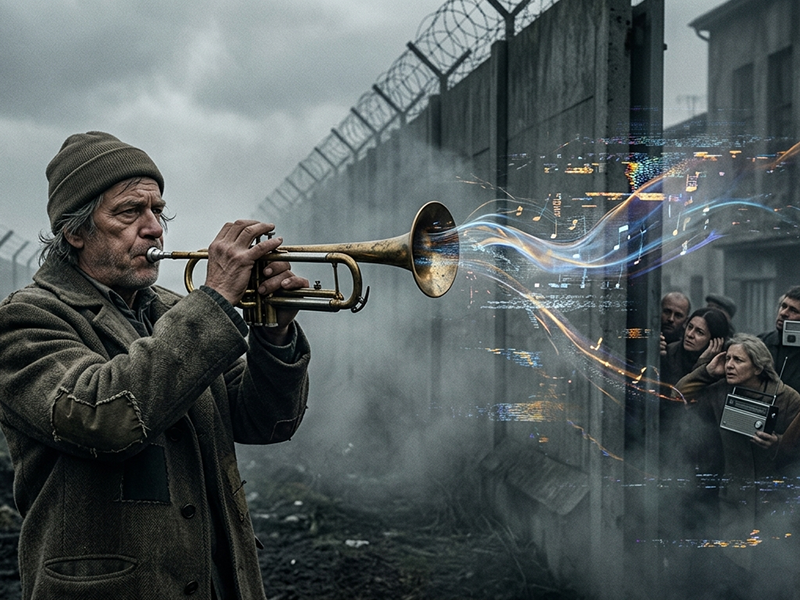
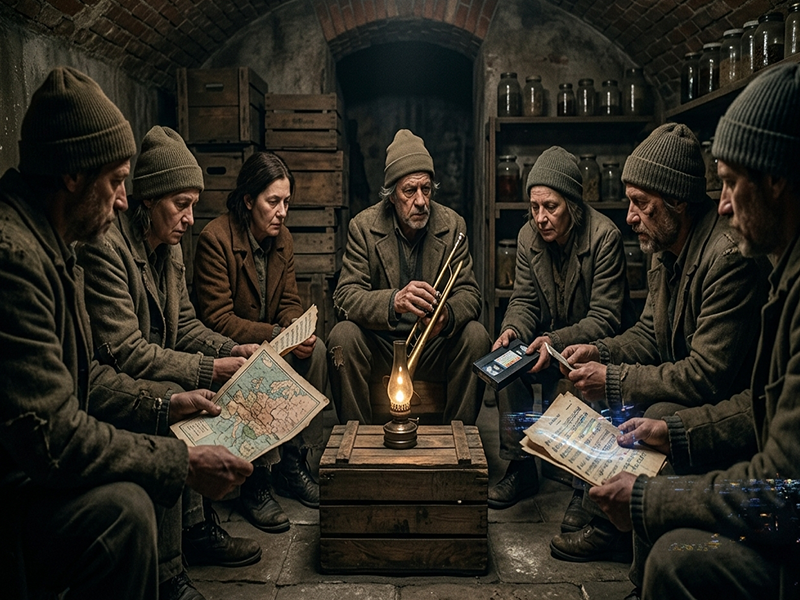
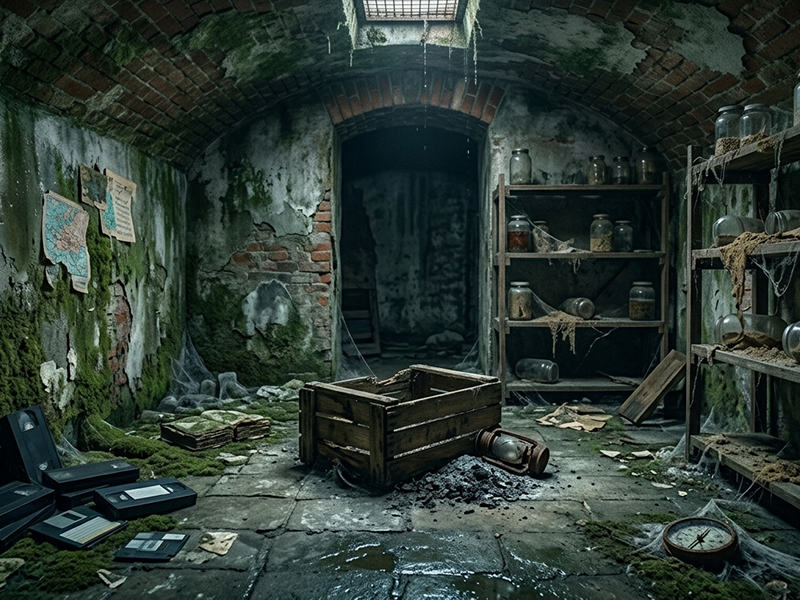
The blues tape that the young characters once risked their lives to play on a rooftop returns at the end of the novella, played openly in the same cellar where they once hid it. The act is small. It would not look like much from the outside. But for the people in the room, it is a kind of sentence finally finished. The song they once broadcast in fear is finally heard in peace.
This is the gentler argument running through all of his work. The voices that the State tried to erase do not all return at once. Some return through writing. Some through interviews. Some through grandchildren asking their grandparents the question nobody dared ask before. And some return through music played, at last, with the windows open.
Why This Story Matters Beyond Albania
The country in the book is specific. The years are specific. The streets and the songs and the officers are specific. But the human shape of what Mazzi writes is not. There are families in many parts of the world who carry the same kind of inherited quiet. There are countries where the official story and the family story do not match, and the gap between them runs through every Sunday lunch.
The Static and the Silence ends with a quieter kind of courage. The courage to keep speaking after the danger has passed. The courage to ask what the older generation lived through. The courage to listen to a song that was once forbidden, and to let it be only a song again.
That is what silence leaves behind. And that is what writing, slowly and patiently, can begin to undo.